Restoration Works and the Future of the Transporter Bridge
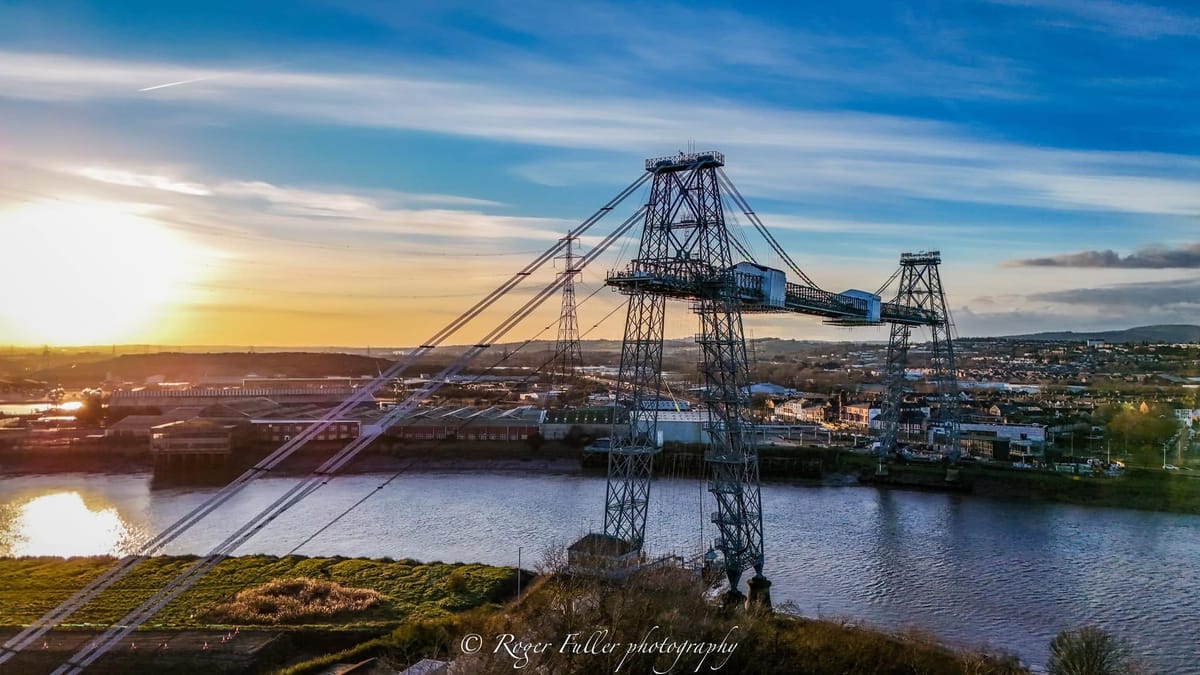
Few structures say Newport as clearly as the Transporter Bridge. Opened in 1906, it still carries passengers across the River Usk in a suspended gondola, and it is now the focus of a restoration effort that looks beyond quick fixes. This article explains what the work involves, why it matters and what it could mean for the years ahead.
Why a working bridge needs constant care
Most historic structures are preserved as static monuments. The Transporter Bridge is different, because it has to function. Each crossing relies on a travelling carriage, wire ropes, drive machinery, electrical systems and a gondola that must be safe for the public. These parts wear in ways that a purely decorative landmark never would.
The setting adds to the challenge. The bridge stands beside a tidal river with a large range, so the steelwork faces damp air, changing temperatures and the effects of weather year after year. Protective coatings eventually fail, fixings loosen and metal can corrode, often in places that are difficult to reach. Regular maintenance helps, but every historic bridge eventually needs a deeper programme of repair.
What restoration means in practice
The word restoration covers several kinds of work, and it helps to separate them.
- Structural repair: assessing and mending the towers, high-level girders and anchorages that carry the loads.
- Protective treatment: removing old paint and corrosion, then applying modern coatings to slow future deterioration.
- Mechanical and electrical renewal: overhauling the systems that move the gondola so that crossings are dependable.
- Visitor access and interpretation: improving the ways people can see, learn about and enjoy the bridge.
The details and timetable of any individual phase are best checked with the bridge's owners and the latest local announcements, as plans can change once surveys reveal the true condition of the structure.
The balance between conservation and use
The Transporter Bridge is a Grade I listed structure, which places it among the most significant historic buildings and structures in the country. That status brings both recognition and responsibility. Any work must respect the original engineering, so conservation principles guide the approach: repair rather than replace wherever possible, and make new elements distinguishable and reversible where practical.
Original material versus modern safety
There is often a tension between keeping historic fabric and meeting current safety standards. A part that has served for generations may be too worn to trust, yet replacing it risks losing a piece of the story. Specialist engineers and heritage advisers weigh each decision individually. Where components must be renewed, the aim is to keep the bridge's appearance and its way of working recognisable.
Skills that are hard to find
Transporter bridges are rare, and few contractors have direct experience of them. Careful restoration therefore also helps pass on specialist knowledge, from understanding suspended wire systems to handling riveted ironwork and steel of the period. That expertise is valuable for other historic structures too.
What the work means for the future
A longer, more reliable working life
The most immediate benefit is dependability. A bridge in good condition is less likely to face unplanned closures, and a well-maintained gondola service keeps the crossing available to residents, walkers, cyclists and visitors. Reliability also supports the bridge's case as a living attraction rather than a closed relic.
Stronger heritage standing
Thorough investment in repair strengthens the argument that the bridge deserves wider recognition. Supporters have long pointed to its rarity and its place in industrial history. A structure that is visibly cared for, documented and open to the public is in a better position to attract interest, funding and goodwill.
A bigger role for the community
Restoration is also a chance to involve the people who know the bridge best. Local memories, photographs and film have long formed part of its story, and projects of this kind tend to work best when residents feel ownership. Improved facilities, events and learning opportunities can make the bridge more useful to schools, history groups and families as well as to tourists.
Challenges that remain
No restoration is a permanent cure. Steel and moving machinery will always need monitoring, and funding for upkeep has to continue long after the scaffolding comes down. A clear maintenance plan is as important as the original repair, because small, regular jobs are far cheaper than major rescue work.
There is also the practical matter of disruption. Work on an operating crossing can limit access for a time, which is a fair price for a stronger structure but still a frustration for regular users. Clear communication helps people understand what is happening and when services should return.
Why it still matters to Newport
The Transporter Bridge is part of how Newport sees itself. It appears in photographs, films and family stories, and its silhouette over the Usk is instantly recognisable. Restoring it is a way of saying that the city's industrial past is worth keeping in working order, not just remembering.
If the current works achieve what they set out to do, the bridge should remain a practical crossing, a point of local pride and a landmark that visitors seek out. More than a century after it first carried passengers, the Transporter Bridge looks set to keep doing what it was built for.