Gondola tours and the visitor centre: a guide to the new season
Every season brings visitors back to the riverbanks of the Usk, where the Newport Transporter Bridge has stood since 1906. Whether you are a lifelong local, an engineering enthusiast or a first-time tourist, the gondola crossing and the visitor centre remain the best way to understand why this structure matters. This guide sets out what the visit involves, what tends to change from one season to the next, and how to avoid disappointment.
A word on what is new
Details such as dates, prices, guided activities and access arrangements are set by the bridge's operators and can change from year to year, sometimes at short notice. Rather than guess at specifics, this article describes what visitors can generally expect and points to the things worth confirming before you set off. The most reliable source is always the latest notice from the operators, together with the news pages of this archive.
The visitor centre
The visitor centre is the natural starting point. It tells the story of how the bridge came to be, from the choice of a transporter design that could cross the busy river without blocking tall ships, to the engineering of the towers, cables and moving platform. The French engineer Ferdinand Arnodin is closely associated with the design, and the bridge opened in September 1906.
Expect displays that set the structure in its wider setting: the docks, the industry of the riverside and the communities on either bank. For many people the most rewarding part is seeing how a machine of this scale was built with the tools and methods of its day.
Why it suits families
The centre works well for visitors of all ages. Children often enjoy the sense of scale and the idea of a bridge that moves, while adults tend to linger over the historic images and the explanation of how the mechanism works. It is a comfortable stop before or after a crossing, and a useful place to ask questions of staff and volunteers.
Gondola tours and crossings
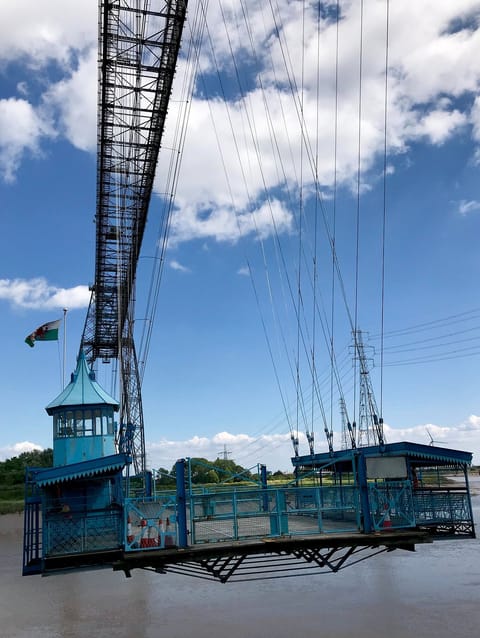
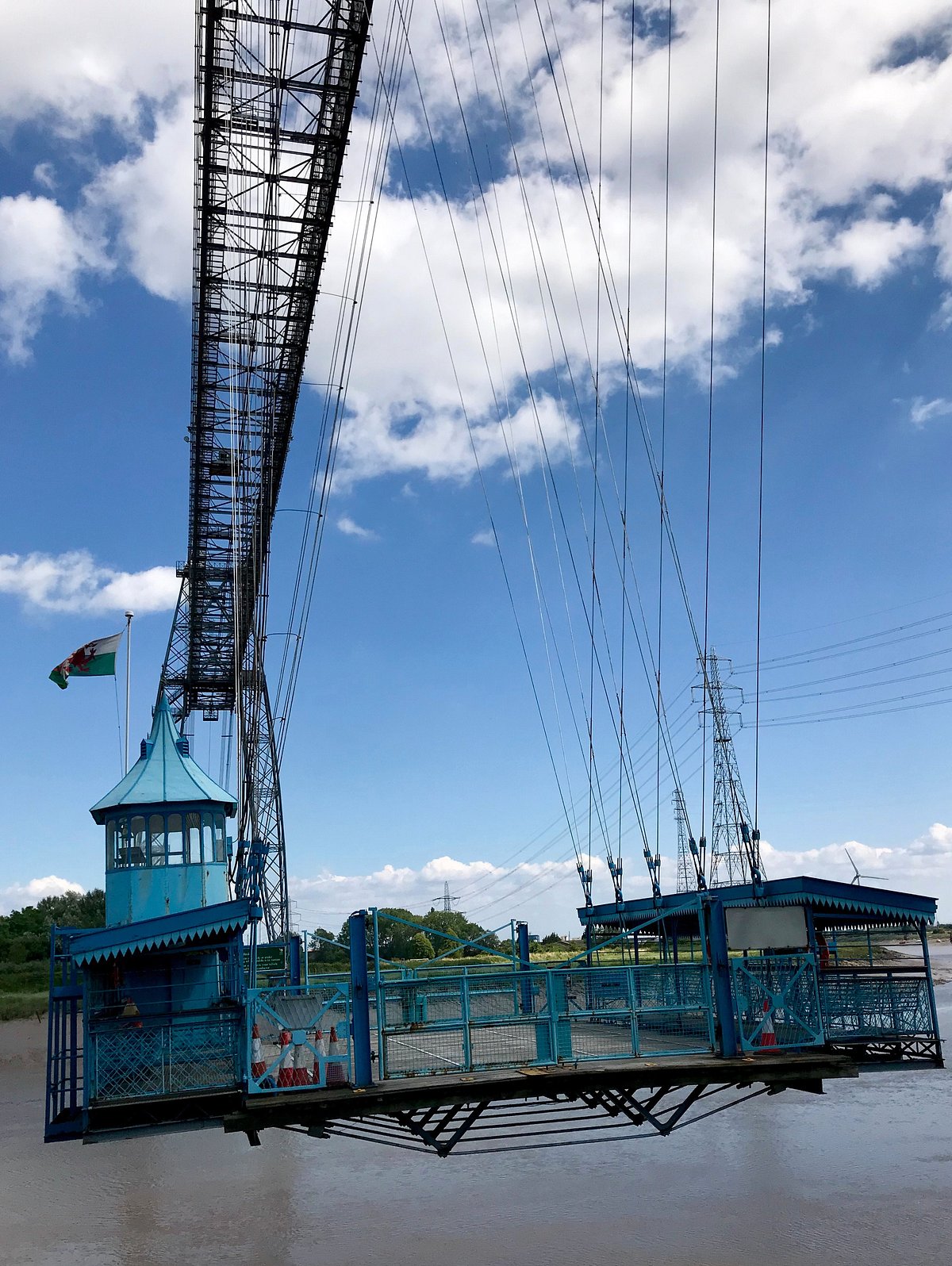
The gondola is the heart of the experience. Suspended from the high-level structure by cables, it glides across the River Usk in a matter of minutes, carrying pedestrians and, when conditions and operations allow, vehicles. It is a working crossing as well as an attraction, and there are very few bridges like it anywhere in the world.
Gondola tours are the more guided way to enjoy it. A tour typically gives context as you travel, pointing out features of the machinery, the towers and the river views that are easy to miss on a quick trip. Some seasons have also included guided walks on the high-level walkway at set times, which are subject to weather, safety checks and advance booking. If that appeals, ask about it before you travel rather than assuming it will be running.
Opening times and planning your day
Opening times are the single most useful thing to check. They often differ between weekdays and weekends, and they can vary with the time of year, special events and the weather. High winds, in particular, can affect whether the gondola runs, because safety comes first on a structure of this kind.
- Check before you go: confirm the current opening times and any days when the crossing is paused.
- Allow time: the crossing is brief, but the visitor centre and the surrounding riverside deserve an unhurried visit.
- Dress for the weather: the river is open and exposed, and it can feel cooler than the city streets nearby.
- Ask about access: if you use a wheelchair or have mobility needs, ask staff what is possible on the day.
- Bring a camera: the towers, cables and gondola make for striking photographs in almost any light.
Restoration and the bigger picture
The bridge is a Grade I listed structure, and caring for something so old and so exposed is a continuing task. Restoration and conservation work, supported in recent years by funding including a National Lottery Heritage Fund award, aims to secure the bridge for the future and improve what visitors can see and do. Major works can mean temporary changes to access or to the crossing, so it is worth treating the season's schedule as a living document rather than a fixed promise.
The upside is clear. Each phase of careful repair is another step towards keeping the Newport Transporter Bridge working, rather than turning it into a static monument.
Why it still matters
For Newport, the bridge is more than a tourist stop. It appears in the city's photographs, films and family stories, and it remains one of the few transporter bridges still carrying people across water worldwide. Riding the gondola, or simply standing beneath the towers, connects visitors to more than a century of the city's life.